DRAWING THE PAST SC (2025)
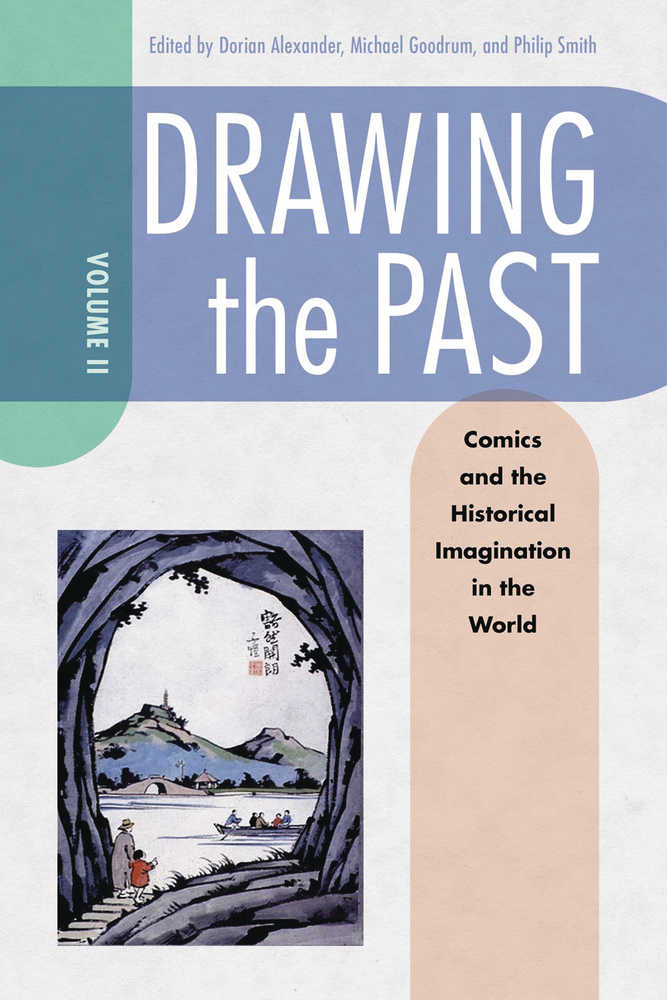
"In Drawing the Past, Volume 2: Comics and the Historical Imagination in the World, contributors seek to examine the many ways in which history worldwide has been explored and (re)represented through comics and how history is a complex construction of imagination, reality, and manipulation. Through a close analysis of such works as V for Vendetta, Maus, and Persepolis, this volume contends that comics are a form of mediation between sources (both primary and secondary) and the reader. Historical comics are not drawn from memory but offer a nonliteral interpretation of an object (re)constructed in the creator's mind. Indeed, when it comes to history, stretching the limits of the imagination only serves to aid in our understanding of the past and, through that understanding, shape ourselves and our futures. This volume, the second in a two-volume series, is divided into three sections: History and Form, Historical Trauma, and Mythic Histories. The first section considers the relationship between history and the comic book form. The second section engages academic scholarship on comics that has recurring interest in the representation of war and trauma. The final section looks at mythic histories that consciously play with events that did not occur but nonetheless inflect our understanding of history. Contributors to the volume also explore questions of diversity and relationality, addressing differences between nations and the cultural, historical, and economic threads that bind them together, however loosely, and however much those bonds might chafe. Together, both volumes bring together a range of different approaches to diverse material and feature remarkable scholars from all over the world."
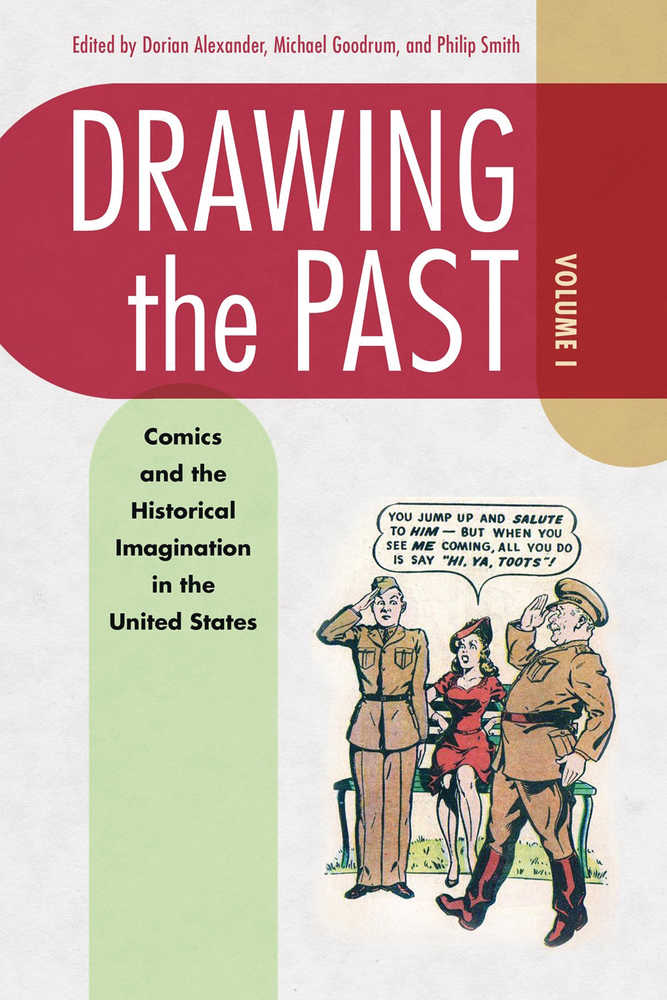
"History has always been a matter of arranging evidence into a narrative, but the public debate over the meanings we attach to a given history can seem particularly acute in our current age. Like all artistic mediums, comics possess the power to mold history into shapes that serve its prospective audience and creator both. It makes sense, then, that history, no stranger to the creation of hagiographies, particularly in the service of nationalism and other political ideologies, is so easily summoned to the panelled page. Comics, like statues, museums, and other vehicles for historical narrative, make both monsters and heroes of men while fuelling combative beliefs in personal versions of United States history. Drawing the Past, Volume 1: Comics and the Historical Imagination in the United States, the first book in a two-volume series, provides a map of current approaches to comics and their engagement with historical representation. The first section of the book on history and form explores the existence, shape, and influence of comics as a medium. The second section concerns the question of trauma, understood both as individual traumas that can shape the relationship between the narrator and object, and historical traumas that invite a reassessment of existing social, economic, and cultural assumptions. The final section on mythic histories delves into ways in which comics add to the mythology of the US. Together, both volumes bring together a range of different approaches to diverse material and feature remarkable scholars from all over the world."
Series Subscriptions — Coming Soon
Subscribe to get new issues automatically added to your pull list.
All Issues
Issue #2
$30.00Drawing The Past Softcover Volume 02 Comics & Hist Imagination World (
Issue #1
$30.00Drawing The Past Softcover Volume 01 Comics & Hist Imagination In Us
Reading Order
-
Drawing The Past Softcover Volume 01 Comics & Hist Imagination In Us
"History has always been a matter of arranging evidence into a narrative, but the public debate over the meanings we attach to a given history can seem particularly acute in our current age. Like all artistic mediums, comics possess the power to mold history into shapes that serve its prospective audience and creator both. It makes sense, then, that history, no stranger to the creation of hagiographies, particularly in the service of nationalism and other political ideologies, is so easily summoned to the panelled page. Comics, like statues, museums, and other vehicles for historical narrative, make both monsters and heroes of men while fuelling combative beliefs in personal versions of United States history. Drawing the Past, Volume 1: Comics and the Historical Imagination in the United States, the first book in a two-volume series, provides a map of current approaches to comics and their engagement with historical representation. The first section of the book on history and form explores the existence, shape, and influence of comics as a medium. The second section concerns the question of trauma, understood both as individual traumas that can shape the relationship between the narrator and object, and historical traumas that invite a reassessment of existing social, economic, and cultural assumptions. The final section on mythic histories delves into ways in which comics add to the mythology of the US. Together, both volumes bring together a range of different approaches to diverse material and feature remarkable scholars from all over the world."
-
Drawing The Past Softcover Volume 02 Comics & Hist Imagination World (
"In Drawing the Past, Volume 2: Comics and the Historical Imagination in the World, contributors seek to examine the many ways in which history worldwide has been explored and (re)represented through comics and how history is a complex construction of imagination, reality, and manipulation. Through a close analysis of such works as V for Vendetta, Maus, and Persepolis, this volume contends that comics are a form of mediation between sources (both primary and secondary) and the reader. Historical comics are not drawn from memory but offer a nonliteral interpretation of an object (re)constructed in the creator's mind. Indeed, when it comes to history, stretching the limits of the imagination only serves to aid in our understanding of the past and, through that understanding, shape ourselves and our futures. This volume, the second in a two-volume series, is divided into three sections: History and Form, Historical Trauma, and Mythic Histories. The first section considers the relationship between history and the comic book form. The second section engages academic scholarship on comics that has recurring interest in the representation of war and trauma. The final section looks at mythic histories that consciously play with events that did not occur but nonetheless inflect our understanding of history. Contributors to the volume also explore questions of diversity and relationality, addressing differences between nations and the cultural, historical, and economic threads that bind them together, however loosely, and however much those bonds might chafe. Together, both volumes bring together a range of different approaches to diverse material and feature remarkable scholars from all over the world."